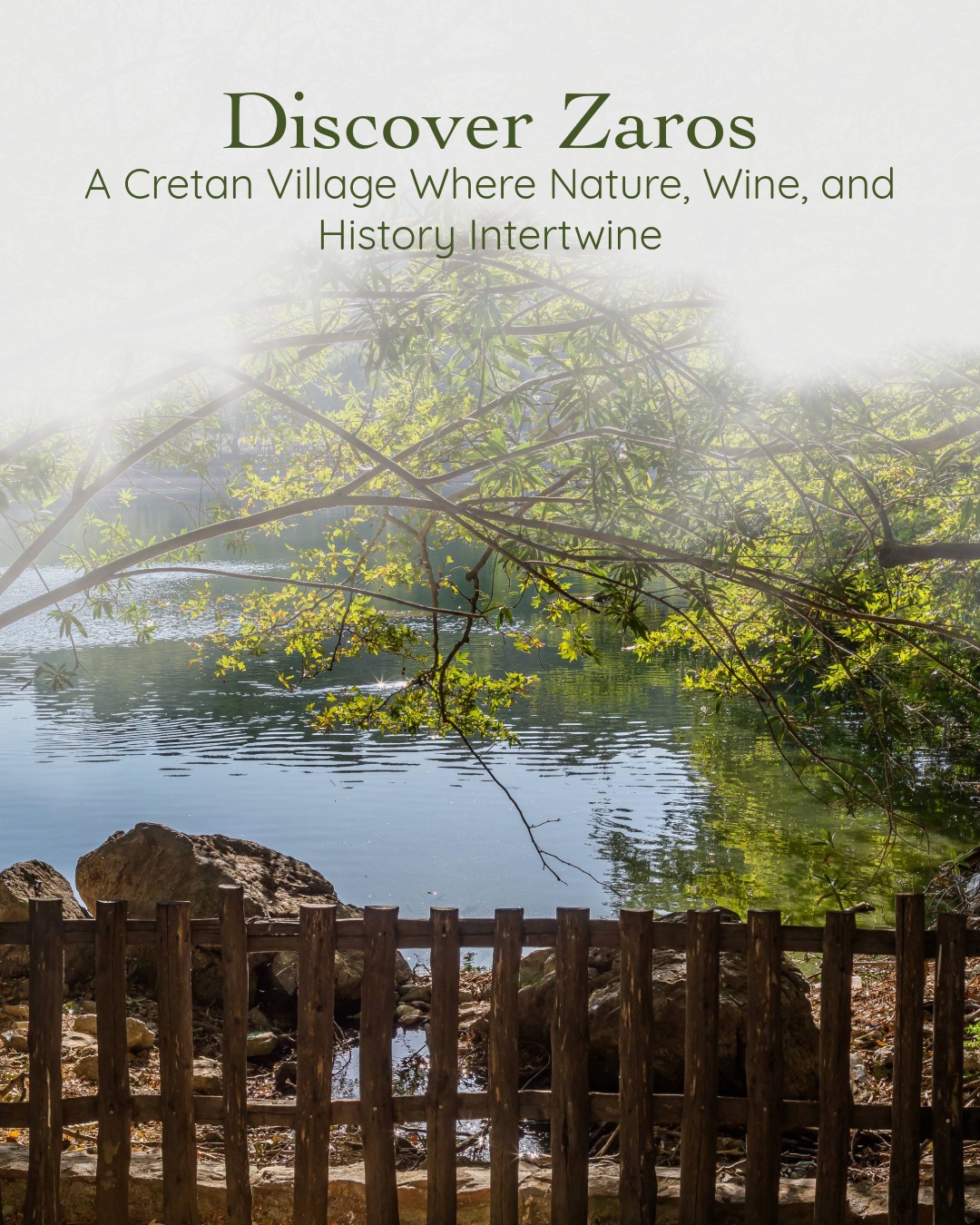
Zaros: A Cretan Village Where Nature, Wine, and History Intertwine
Zaros sits on the southern foothills of Mount Psiloritis, a place where rural life, tradition, and deep history still shape everyday rhythms.
It’s a village known for its natural springs, mountain trails, quiet stone houses, and a cultural landscape that has remained remarkably intact.
Far from the coastal resorts, Zaros offers visitors a chance to experience Crete in its most grounded, authentic form.
A Landscape Carved by Water and Time
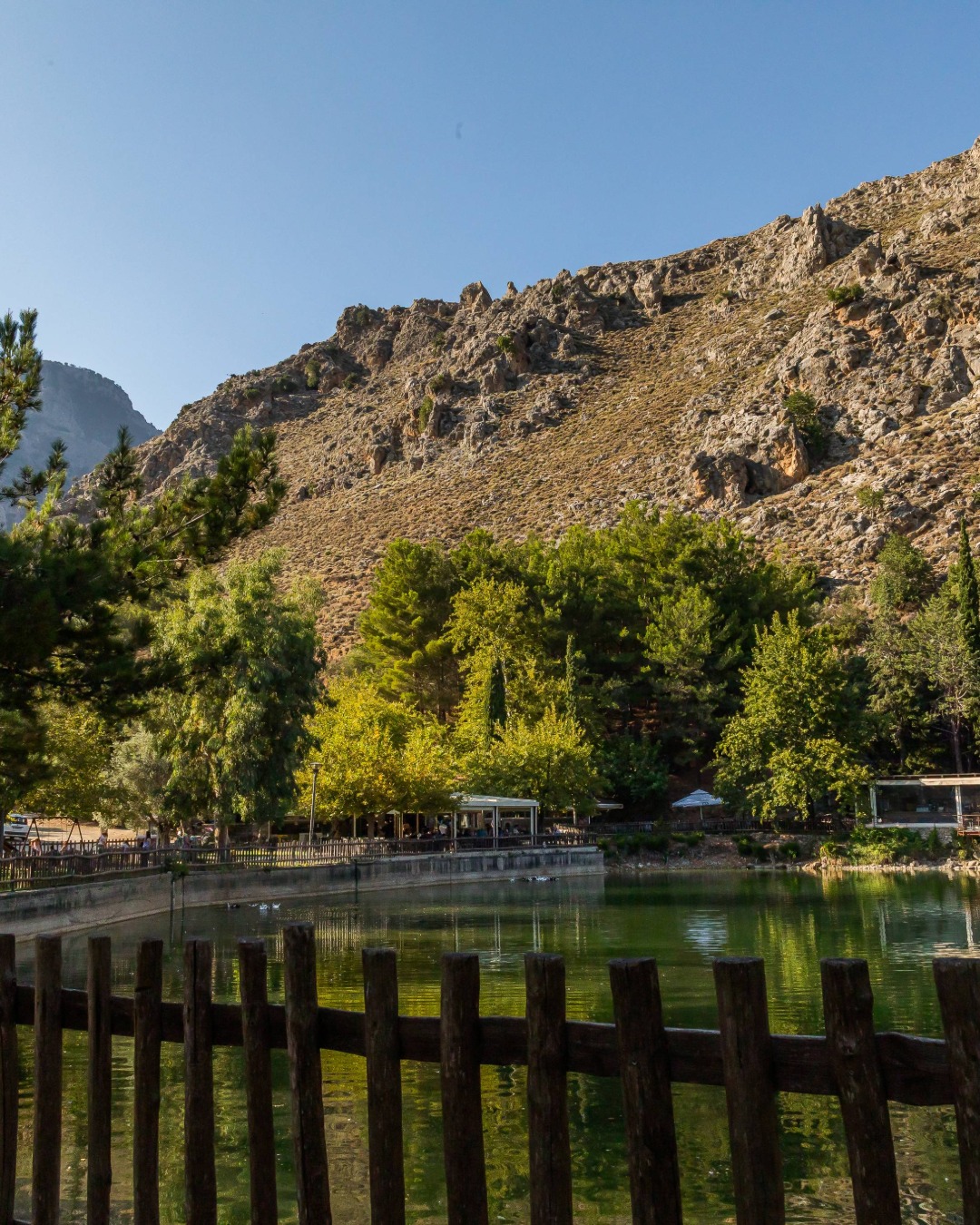
The area is famous for its water, the lake, the springs, the streams carving through the forested Rouvas Gorge.
These waters have shaped the fertile land around the village and supported small farms, olive groves, and vineyards for generations.
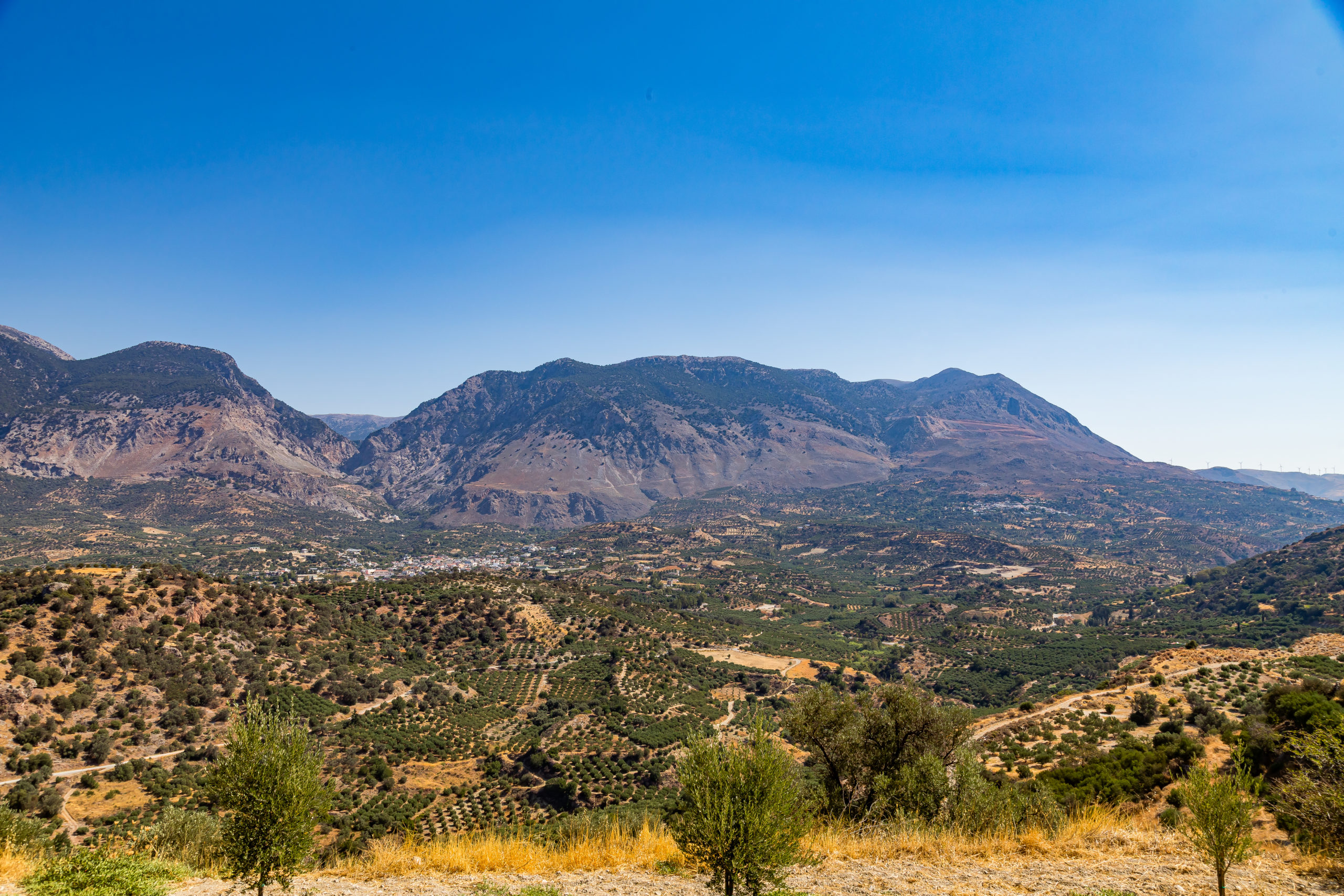
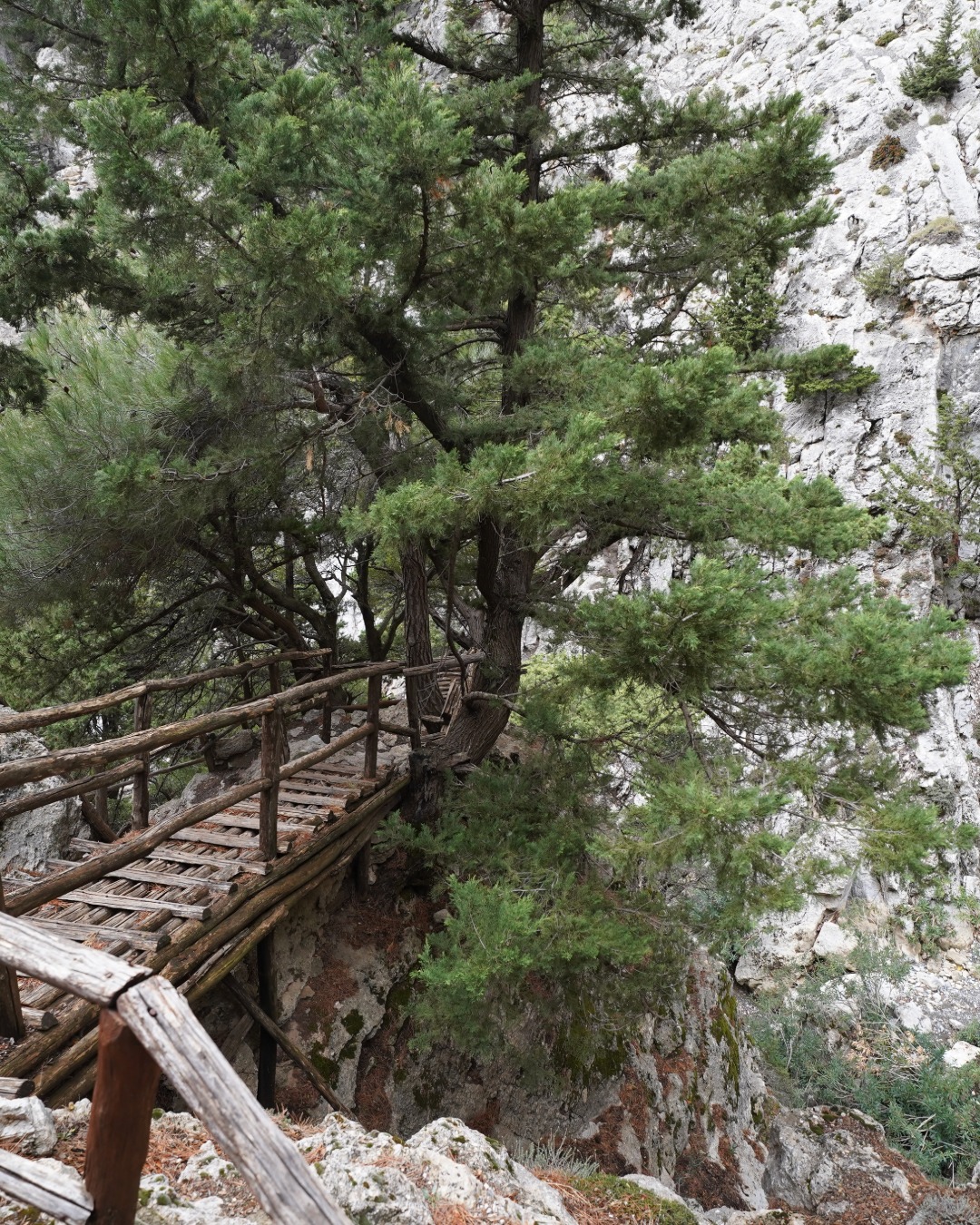
Walking the region means moving between steep rocky paths, dense pine forests, and sudden open views of the Messara valley.
Among the most striking landmarks near Zaros is Moroni Cave, a natural opening set into the rugged mountainside. The path to it is steep but rewarding, offering sweeping views and a sense of Crete’s ancient, myth-laden landscape. The cave stands as one of the area’s most atmospheric sites — a reminder of the deep relationship between Cretans and their land, where mythology and geology meet.
A Quiet Centre of Monastic Heritage: Vrontisi Monastery
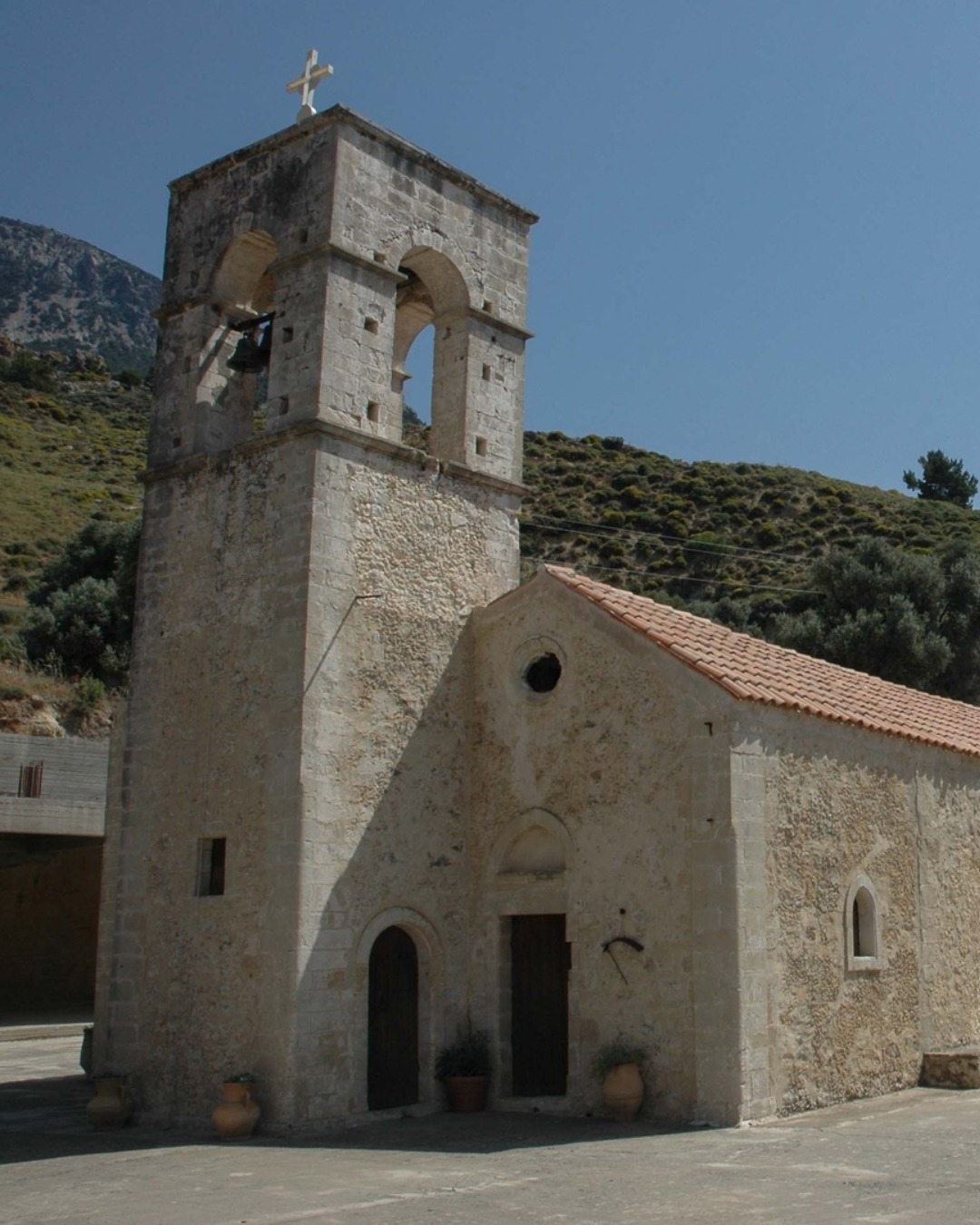
A few kilometres outside the village lies the Vrontisi Monastery, one of the most important spiritual and historical monuments in the region.
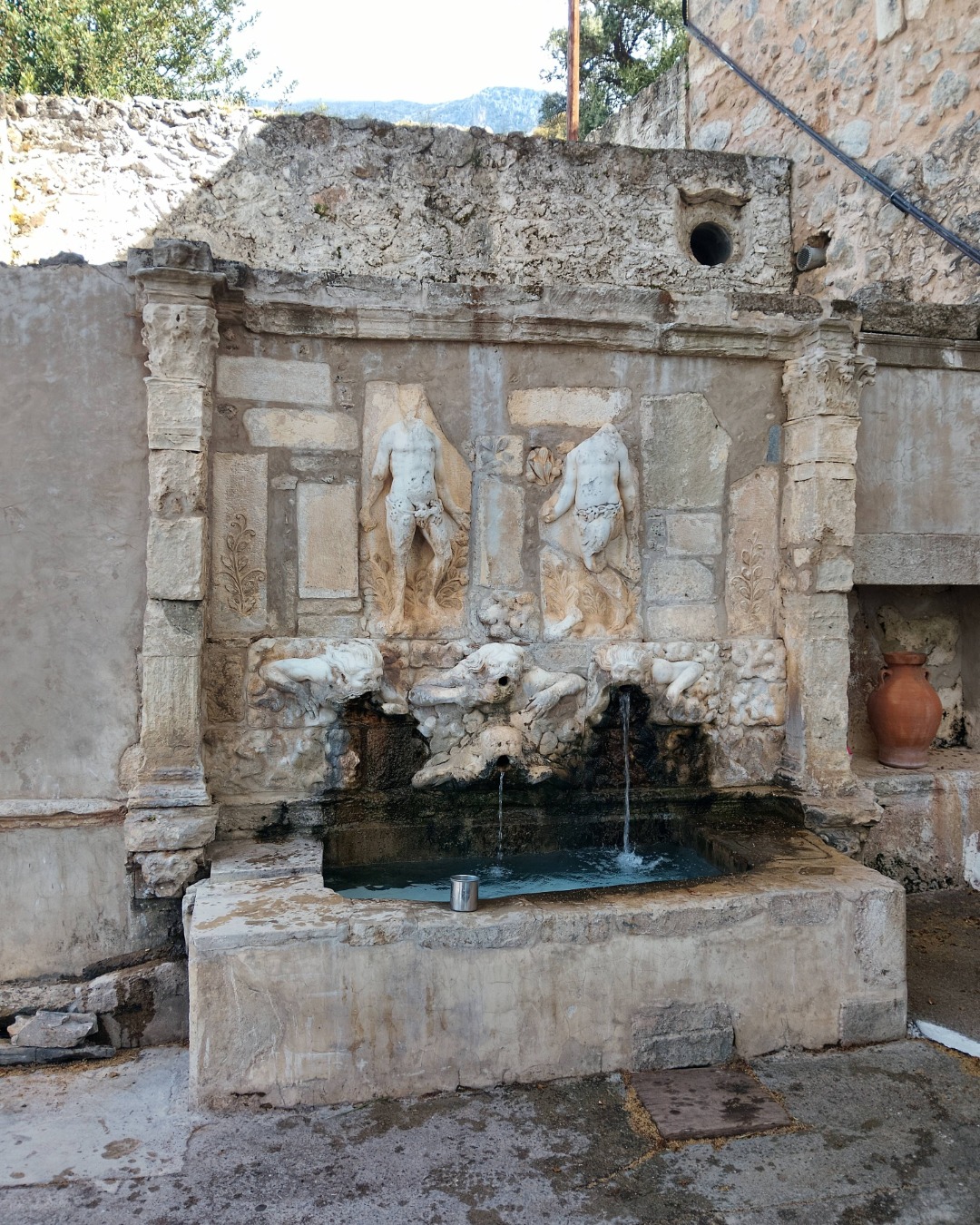
Founded in the 14th century and known for its Renaissance-influenced architecture, Vrontisi offers calm courtyards, frescoes, old stone stairways, and a carved fountain that has become a symbol of the monastery. The atmosphere is contemplative: monks tending gardens, olive trees casting shade, a silence broken only by the sound of wind running through cypress branches. It provides a powerful contrast to the wildness of the mountains above Zaros.
Wine Heritage in the Heart of Crete
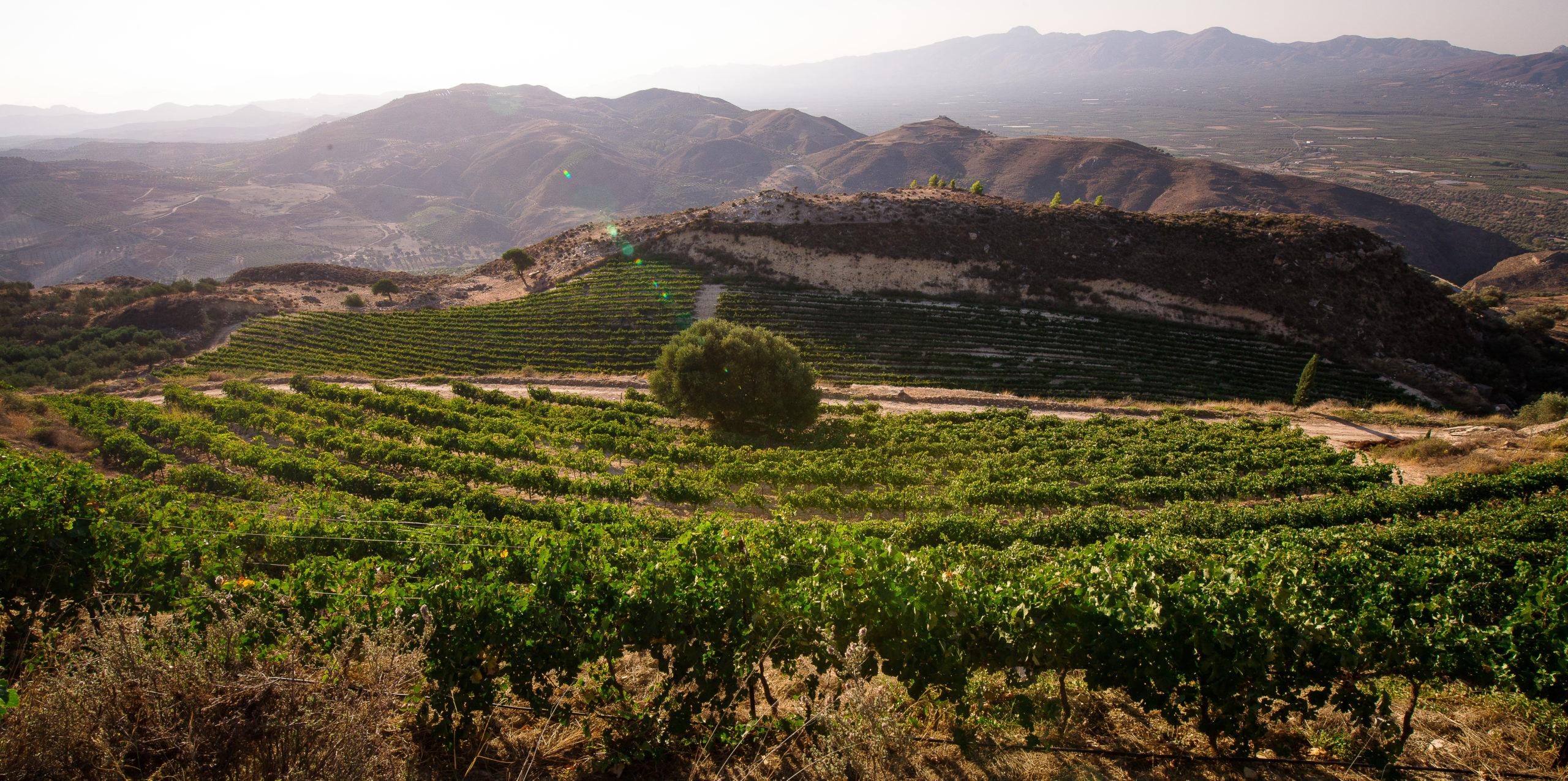
Zaros is surrounded by one of Crete’s most productive agricultural areas, and vines have been cultivated here for centuries. The region benefits from high elevation, dry mountain air, and limestone soils that give local wines their distinctive character.
While larger wineries are based in nearby villages such as Dafnes and Heraklion’s hinterland, many families in Zaros and the surrounding settlements continue the tradition of small-scale winemaking. Homemade red wines, village rosés, and barrel-aged tsikoudia often come straight from farm cellars — unpretentious, deeply local, and tied to longstanding cultural practices.
Visitors can taste wines from the wider region, such as those produced by the renowned Douloufakis Winery in Dafnes, or Zacharioudakis some of Crete’s oldest winemaking areas.
A Village Rooted in Tradition
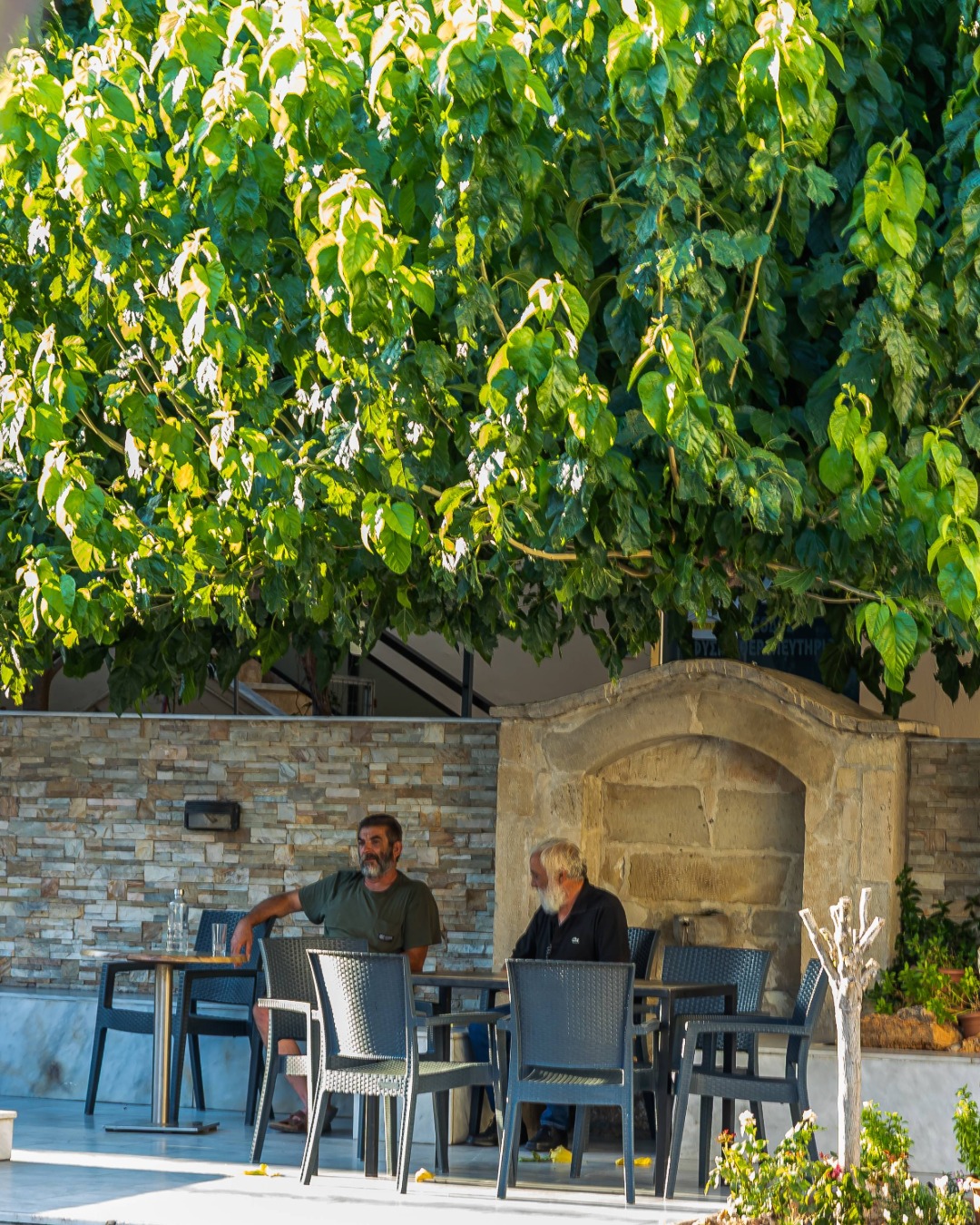
What strikes most visitors is the rhythm of daily life. Small cafés open early, farmers return from the fields carrying baskets of vegetables, and wood-fired ovens still prepare the village’s traditional recipes.
Zaros is not built for mass tourism — and that is its strength. It is a place where guests can walk, breathe, listen, taste, and observe a Greece that many travellers never encounter.
Where Nature Meets Culture & Greek Language Learning
Zaros has become one of our favourite setting for retreats, language immersions, hiking trips, and culture-focused travel experiences. It is a place where learning blends naturally with environment and tradition. Its blend of winery heritage, monastic history, and dramatic landscapes offers a rare balance of richness and simplicity.
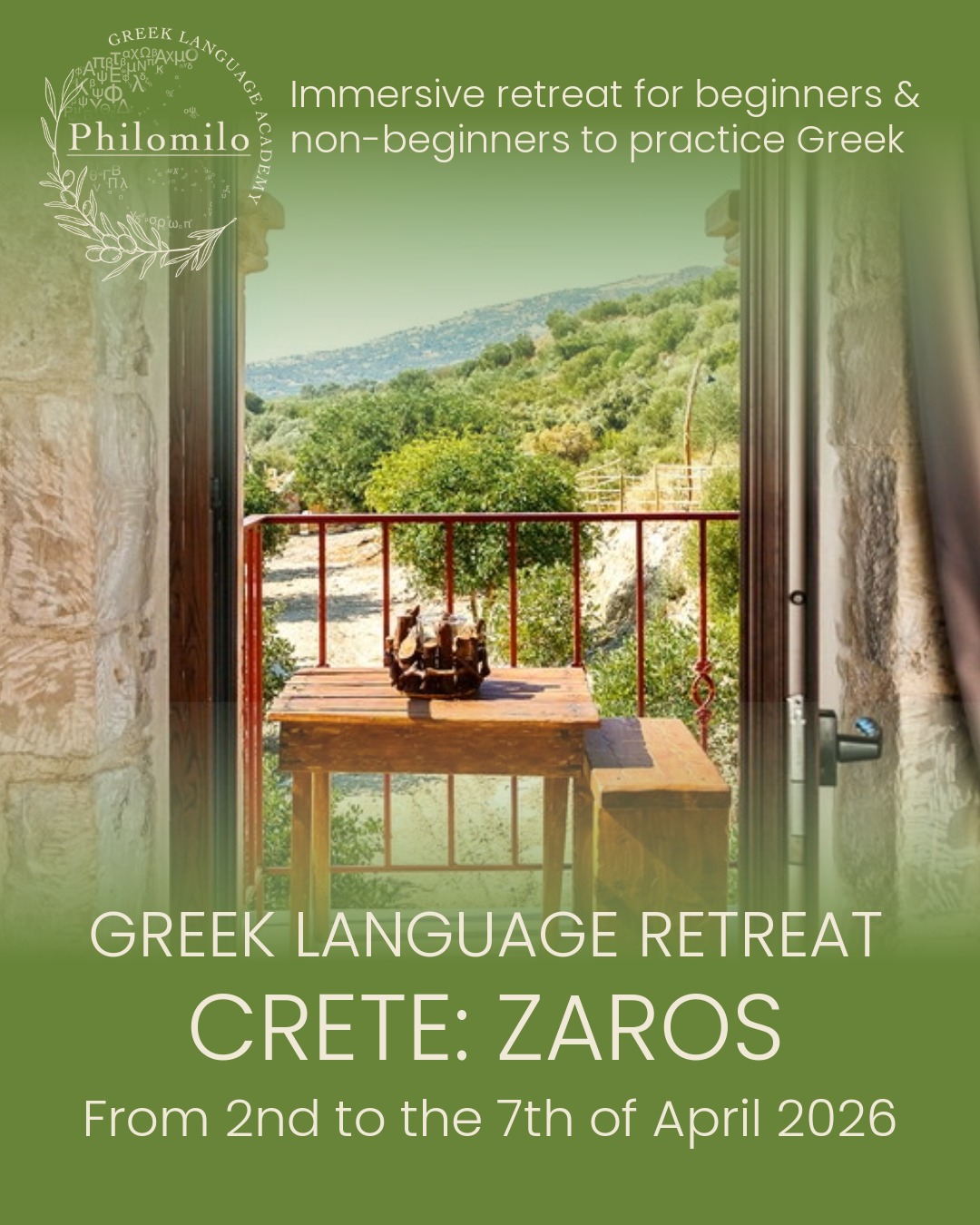
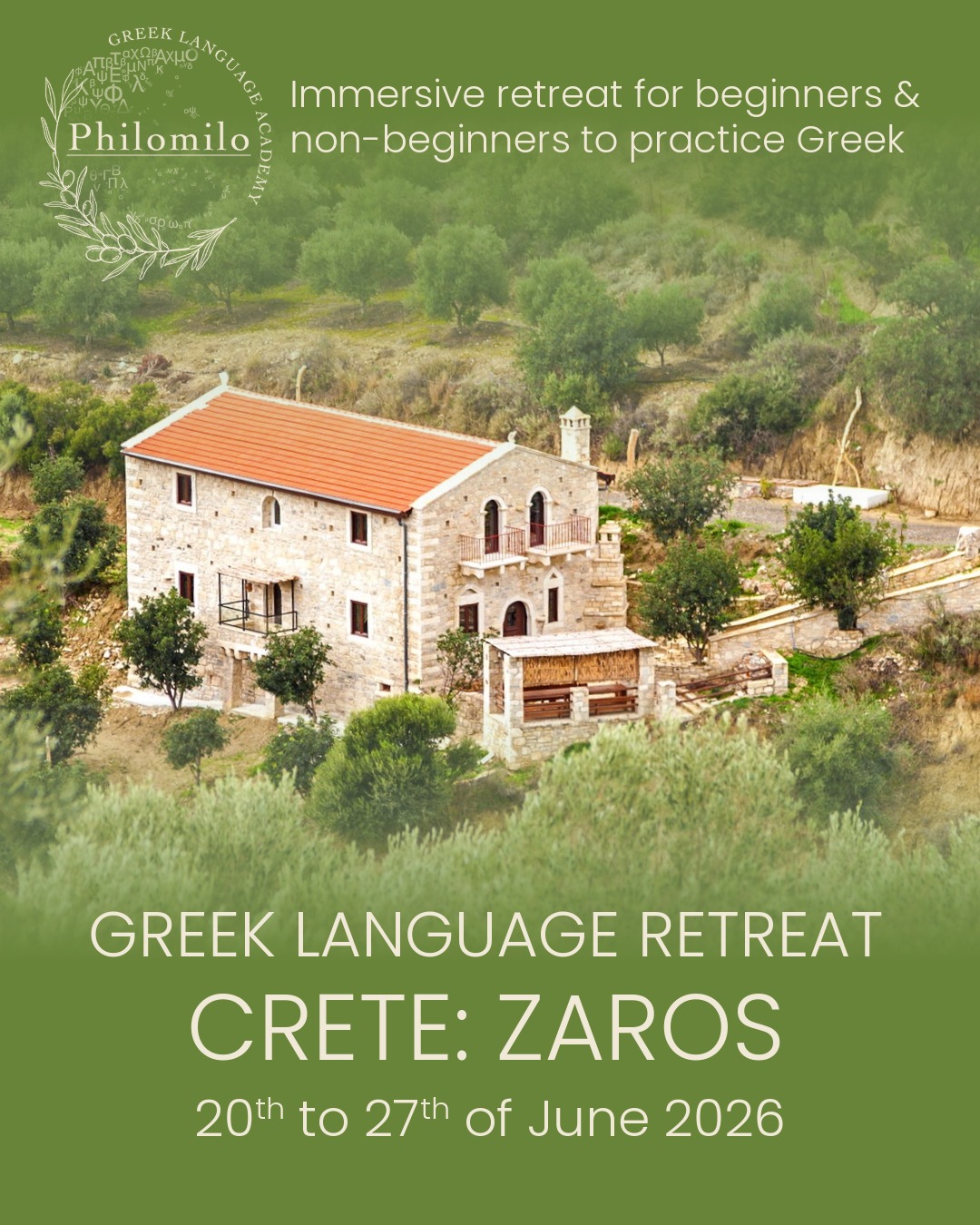
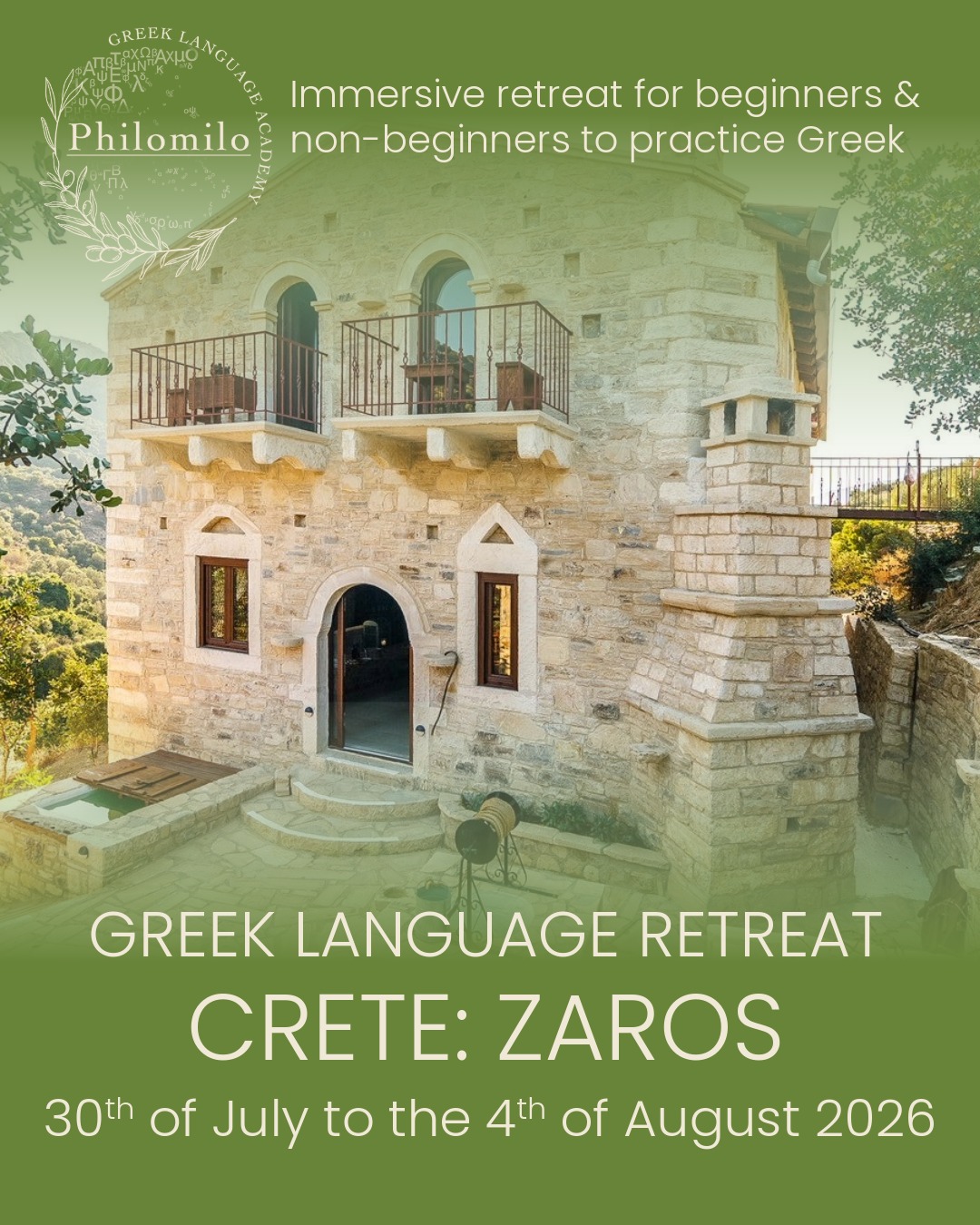
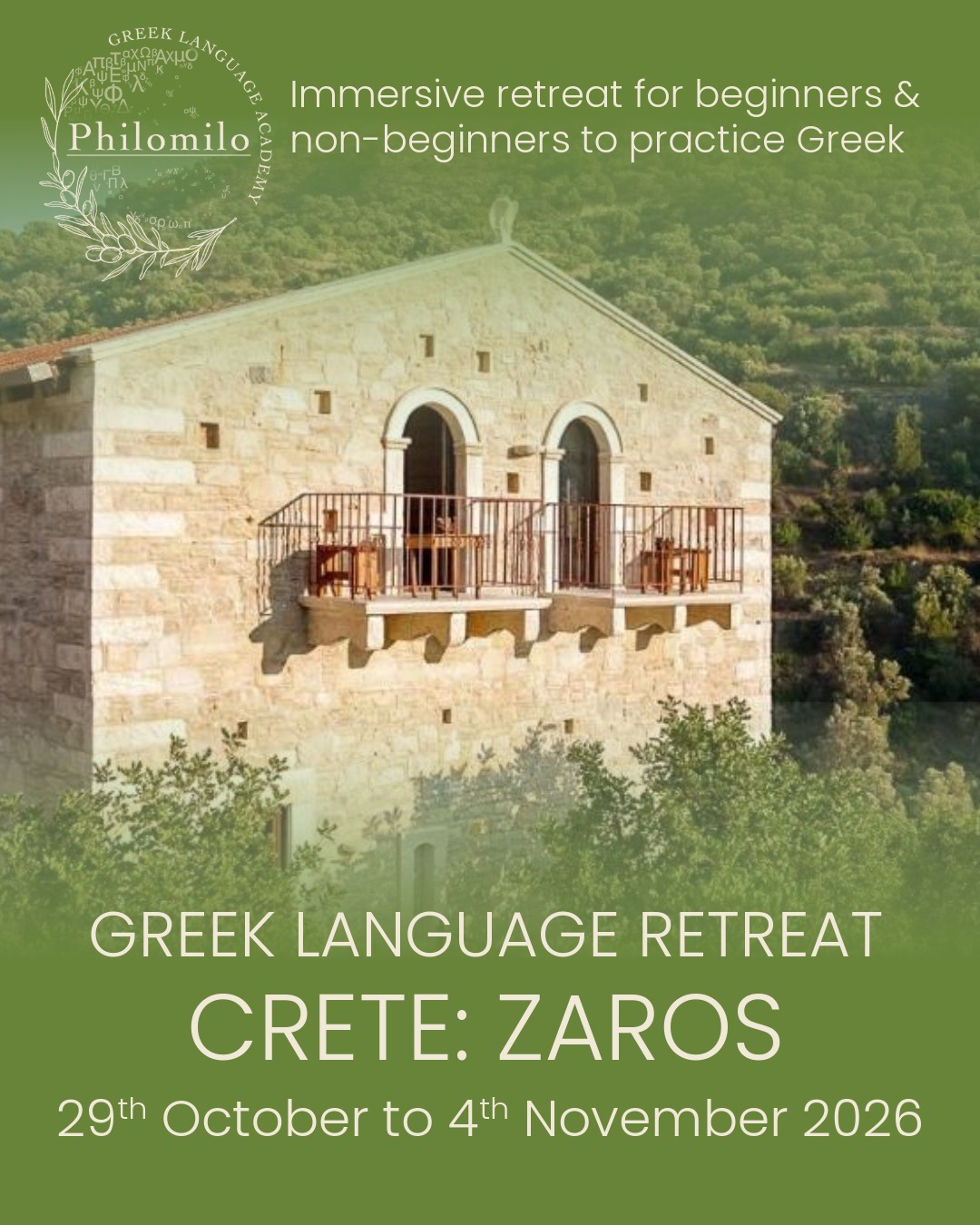
If you’re curious about experiencing Zaros in a structured and immersive way, here is a retreat that takes place directly in this environment: